
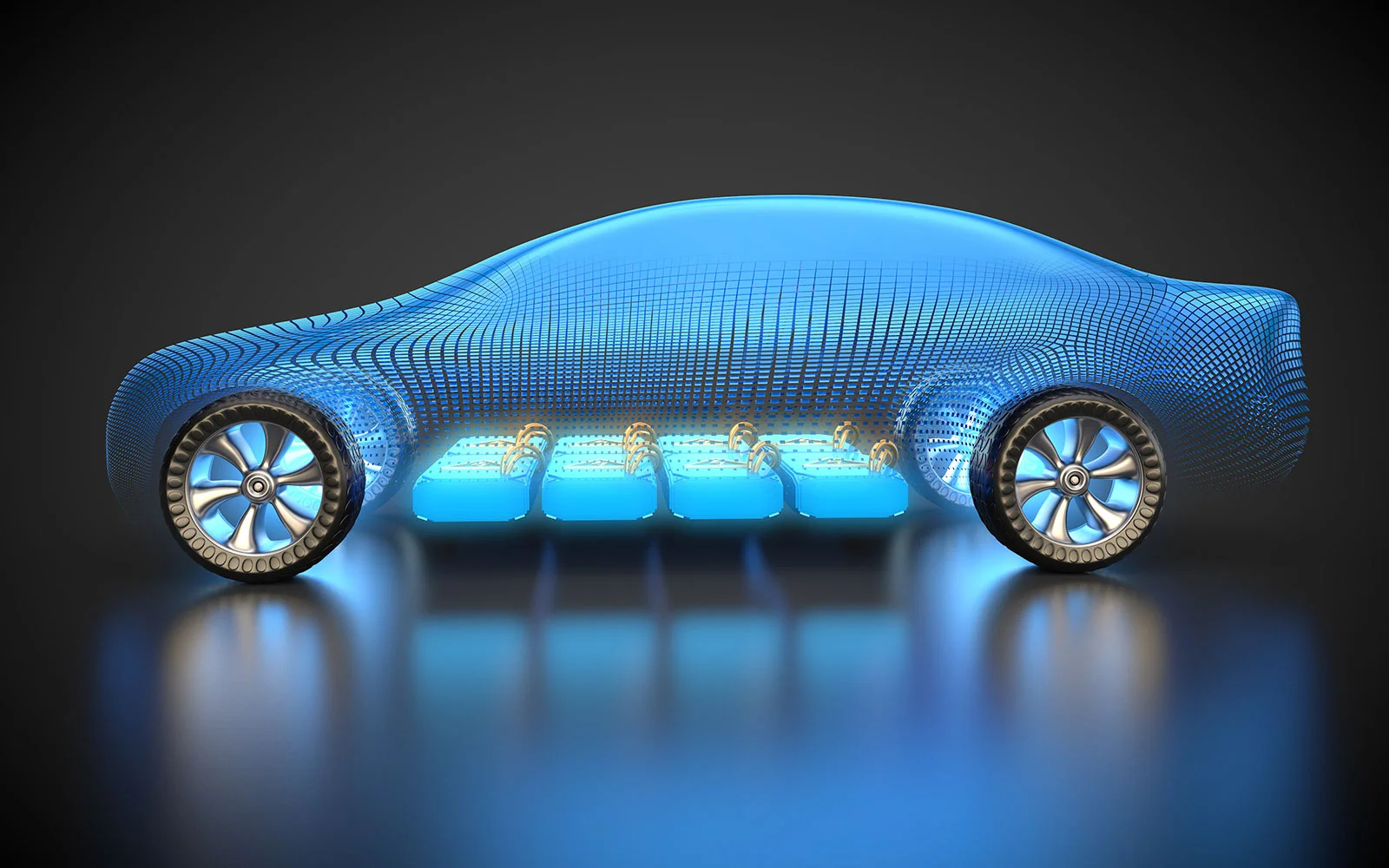
EVs have become a disruptive technology in the transport sector, and the future of transportation is becoming more sustainable and clean. The technological advancements, the environmental consciousness, and insatiable quest for new things have led to this development. The central focus of this revolution is battery technology, which is the foundation through which the abilities and applications of electric vehicles have been determined. EVs and their batteries are a narrative of ingenuity, advancement, and a green future perspective.
History of EVs
The concept of electric vehicles is not new. EVs were one of the earliest automobiles in the late 19th century. The initial models, which operated on primitive batteries, were less noisy and less polluting than those with internal combustion engines (ICE). But they were limited in range, and there was no charging infrastructure to support their development. At the beginning of the 20th century, the manufacturing of mass-produced gasoline cars by such corporations as Ford eclipsed the electric vehicles and pushed them into the background of the century.
Revival of Electric Vehicles
Electric vehicles re-emerged as interest in them grew in the late 20th century, with the oil crises of the 1970s and growing environmental concerns. Governments and auto manufacturers started to look into alternative sources to fossil fuels, and experimental EV models were created. Nevertheless, the real revival started in the 2000s due to the development of battery technology, the rising price of fuel, and the growing understanding of climate change.
Such companies as Tesla changed the situation in the industry and proved that EVs could be not only high-performing but also desirable. The Tesla Roadster of 2008 demonstrated the potential of lithium-ion batteries, offering a much longer range than previous EVs. This technology was a game-changer, and the electric vehicles experienced rapid development.
The Battery Technological Improvements
Developments in battery technology have been closely associated with the development of EVs. The use of lead-acid batteries in early EVs was limited because they were heavy, had a small storage capacity, and had low energy consumption. Nickel-metal hydride (NiMH) batteries, invented in the 1990s, had better energy density and a longer life, but still were not good enough to deliver the performance required to see widespread adoption.
The late 20 th century came in with the introduction of lithium-ion batteries, which changed the scene. These batteries were cheaper, provided greater energy density, less weight, and quicker charging, and were perfect for electric cars. The use of lithium-ion batteries made EVs cover distances similar to or higher than those of traditional cars, which resolved one of the major issues of consumers’ range anxiety.
Modern Electric Vehicles
Electric cars are no longer a niche product today. EVs have been adopted by automakers across the globe, with manufacturers creating models that serve different market niches, such as small urban vehicles, luxurious sedans, and trucks. EVs have become affordable with the introduction of low-cost models such as the Nissan Leaf and Chevrolet Bolt. Simultaneously, there are other luxury brands such as Porsche and Audi that have ventured into the market, which offer performance and sustainability.
Tesla is still at the forefront, pushing the limits of what EVs can do. Its Model S Plaid, in particular, proves that electric cars may be one of the fastest and technologically advanced vehicles on the road. Electrification is also being done by other carmakers, such as classic giants like Ford, GM, and Volkswagen, which are planning to eliminate ICEs and transition to EVs over the next few decades.
The Place of Renewable Energy
The increase in EVs is directly linked to the larger usage of renewable energy sources. EVs will be even more environmentally friendly as nations move to cleaner energy grids, decreasing their total carbon footprint. The generation of solar, wind, and hydroelectric energy has given the opportunity to charge electric cars with minimal harm to the environment, and the popularity of EVs as an ecologically friendly alternative to a conventional car is strengthened.
The Future of Battery Innovations
Researchers and engineers continue to be interested in battery technology. Some of the innovations, like solid-state batteries, are set to transform the EV industry even more. Such batteries substitute the liquid electrolyte in the conventional lithium-ion batteries with a solid one, enhancing energy density, safety, and decreasing charging times. Solid-state batteries could reach over 500 miles with one charge, and EVs are even more convenient to use over long distances.
Recycling and sustainability also emerge as important factors. With the increase in EVs, there has been a rise in the demand for raw materials such as lithium, cobalt, and nickel. Firms are looking into how they can recycle old batteries and come up with alternatives that will use fewer rare and environmentally sensitive materials.
Difficulties with EV Transition
Electric vehicles have challenges that need to be overcome, despite their benefits, to be adopted on a large scale. The prices of EVs continue to go down, but they are still more than those of ICE cars, with the main factor being the cost of the battery. The expansion of the charging network is also crucial since a significant part of the regions has insufficient networks to accommodate the use of large-scale EVs.
It is important to educate consumers and accept them. There are still doubts among some drivers regarding EVs because of the misunderstandings regarding their range, performance, or reliability. Governments, car manufacturers, and lobby groups should collaborate in dispelling these myths and encouraging the advantages of EVs.
Government Incentives and Policies
Policies by governments have been a key factor in the development of electric cars. Tax breaks like tax credits, subsidies, and rebates have helped to lower the cost of EVs to consumers. The transition has been further promoted by investments in charging infrastructure and pledges to withdraw ICE vehicles by certain deadlines.
Norway and other countries have become the world leaders in EV adoption, with more than 80 percent of the new cars sold being electric. This success has been facilitated by policies, which include exemptions on tolls, low registration rates, and comprehensive networks of charging. Other countries are also doing the same, with some of the largest goals of transportation electrification.
The International Implications of EVs
The transition to electric cars has far-reaching consequences on the economy, society, and the environment. Less greenhouse gas emissions through EVs help to mitigate climate change and enhance air quality. Energy self-reliance and financial stability are achieved by the shift towards alternative fuels that will decrease reliance on oil.
New industries and employment opportunities also emerge due to the emergence of EVs. The EV revolution is transforming economies and inspiring innovation, starting with battery production, through to software development to support autonomous vehicles.
The Future of Transport
The development of battery technology and electric cars is not yet done. Independent EVs with their artificial intelligence and high-end sensors are set to transform transportation. Electric and autonomous fleet-driven shared mobility services have the potential to alleviate traffic congestion and urban pollution.
City planners are planning to accommodate EVs, and smart cities are being installed with EV-friendly infrastructure. Vehicles and the grid charge stations, integration of renewable energy, and smooth connectivity are becoming a part of city planning.
Conclusion
The development of electric cars and battery technology is a new turning point in the history of transportation. EVs are the embodiment of how innovation can be used to solve global issues and achieve their current position as one of the pillars of sustainable mobility. The future of clean, efficient, and affordable transportation is becoming a reality as advances in battery technology, combined with favorable policies and the emergence of renewable energy, shape the future of transportation. With EVs ever changing, they are a monument of human resource and our determination to a better and greener future.