
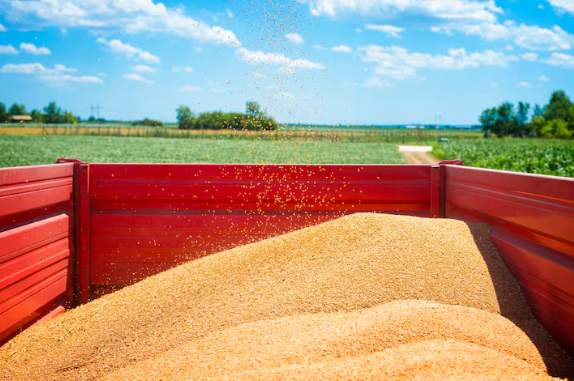
Reliable transportation is essential for agricultural operations to maintain harvest seasons. From transporting grains from the storage to the processing plant, the right truck can make a difference in improving efficiency and alleviating stress on an operation.
This is not just a matter of buying a truck; it’s about choosing a solution that can support productivity, safety, and cost management for the long term. There are a lot of models and configurations of trucks that are available, and it would be difficult for buyers to understand which one would best suit their operational requirements.
Understanding Your Hauling Requirements
Prior to buying any agricultural truck, the demands of hauling on a daily basis should be assessed. The needs for capacities vary from one operation to another due to crop volume, distance to be hauled, terrain conditions, and workloads throughout the season.
Lower-capacity haulers are needed at small farms where transportation is limited to the farm, while higher-capacity heavy-duty trucks are needed at larger agricultural enterprises that may need to operate them throughout the harvest.
Reliability Is Essential During Harvest Season
Harvest periods are frequently short, and long hours of work are required. Downtimes in these critical times may cause delays in delivery, processes, and even the quality of the crop. Reliable trucks offer a steady performance in challenging environments, minimizing disruptions in operations.
Powerful engines, sturdier suspension systems, and reliable braking systems all help to streamline transportation as well. Companies that invest in high-quality equipment are better equipped to deal with the seasonal demand and unexpected surges in workload.
Factors To Consider Before Choosing Trucks
- When shopping around for grain trucks for sale, buyers should look for more than just initial prices. Overall value is affected by long-term reliability, maintenance history, payload capacity, and fuel efficiency.
- New trucks come with all the latest technology, warranties, and better gas mileage, and properly maintained used trucks can save big without letting down.
- It’s important for buyers to thoroughly evaluate the condition of the engine, transmission, frame, tire wear, and hydraulic systems when deciding to buy. Service records and maintenance logs can also give insight into the vehicle maintenance history.
- The size and type of trucks should be in accordance with the type of work to be done. Perhaps the size of the equipment is too big or too small for the operation, which may result in unnecessary costs and inefficiencies.
- New truck models frequently feature advanced braking systems, backup cameras, increased visibility, and new stability control features that help eliminate risks for accidents.
- Comfort of the driver is another consideration. Ergonomic cabins, better seats, and vehicle handling help to minimize fatigue during long work shifts and improve productivity.
Working With Trusted Sellers
The purchase of commercial agricultural equipment from experienced sellers or reputable dealers can minimize risks associated with equipment purchases. A reliable seller will give you detailed information about the vehicle, a maintenance history, and other documents that show the inspection record.Before you buy, also have a professional examine and identify any mechanical problems you may not be aware of, which can be costly to fix later.