
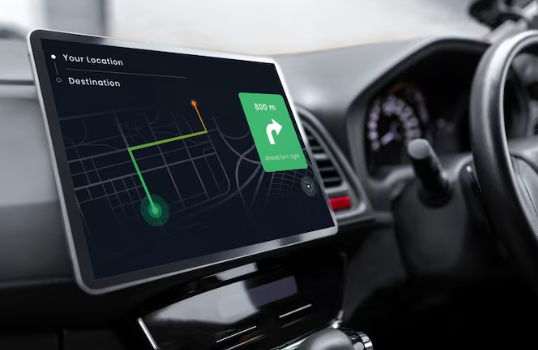
In the modern era, the dashboard of a vehicle has evolved from a simple cluster of analog gauges into a sophisticated digital hub. As connectivity becomes an inseparable part of our daily routines, the quality of your vehicle’s digital interface significantly impacts your overall driving experience.
Whether you are upgrading an older model or selecting a new vehicle, choosing the right infotainment for cars is a decision that affects navigation, communication, and entertainment.
To make an informed choice, you must look beyond the screen size and evaluate the system’s integration, usability, and future-proofing capabilities.
User Interface and Intuitive Design
The most advanced technology is useless if it is difficult to operate while driving. A well-designed system prioritizes ergonomics, featuring clear icons, responsive touch interfaces, and logical menu structures.
You want an interface that allows you to perform common tasks—such as changing radio stations or updating navigation routes—with minimal distraction.
When exploring your options for infotainment for cars, pay attention to the speed of the processor; laggy touchscreens can be a significant source of frustration. A system that feels intuitive will help you stay focused on the road while maintaining access to your essential digital tools.
Connectivity and Smart Integration
Seamless smartphone integration is now the standard for modern drivers. Systems that support platforms like Apple CarPlay and Android Auto are highly recommended because they allow you to mirror your mobile device’s interface directly onto the dashboard screen.
This ensures that your contacts, music libraries, and preferred navigation apps are always synchronized. Furthermore, check for Bluetooth stability and the availability of multiple USB ports or wireless charging pads.
The goal is to create a digital environment where your phone and your vehicle communicate effortlessly, minimizing the need to handle your device while in motion.
Navigation Accuracy and Real-Time Data
A reliable navigation system is more than just a map; it is a vital tool for avoiding traffic and reaching your destination efficiently. Look for systems that offer real-time traffic updates, live construction alerts, and intuitive voice-guided turn-by-turn directions.
Cloud-connected navigation systems are often superior to static, onboard maps because they can update routes instantly based on changing road conditions.
When researching infotainment for cars, consider whether the system provides heads-up display integration, which projects navigation cues directly into your line of sight, further enhancing safety by keeping your eyes on the road.
Audio Quality and Multimedia Versatility
For many drivers, the car is the primary venue for enjoying music and podcasts. Your infotainment system serves as the gateway to your high-fidelity audio experience.
Look for systems that support high-resolution audio formats and offer extensive customization options, such as multi-band equalizers that allow you to fine-tune the sound profile.
Additionally, check for compatibility with popular streaming services and satellite radio integration. A system that makes it easy to switch between sources without interrupting the audio flow is essential for an enjoyable commute, whether you are listening to a morning briefing or an immersive playlist.
Safety Features and Voice Command Capabilities
Safety should always be the primary concern when selecting any automotive technology. Advanced voice recognition systems allow you to control climate, media, and navigation using natural language commands, which significantly reduces the need for manual interaction with the screen.
Furthermore, many modern systems now integrate vehicle safety data, such as blind-spot monitoring alerts or parking camera feeds, directly into the central display.
When evaluating the best infotainment for cars, ensure that the system provides clear, high-resolution visuals for these safety features, ensuring that critical information is never obscured by complex menus.